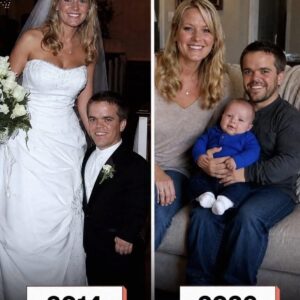
She grew up in a world where her image seemed to belong to everyone else. Adults debated her appearance as if she were an idea instead of a person, and each headline chipped away at something quieter—her sense of being heard. Over time, she realized that staying visible on those terms came at a cost. So she didn’t disappear; she adjusted her position, choosing when to step forward and when to step back, reclaiming control over how she existed in public.
In that shift, she began to understand the difference between being seen and simply being watched. The first allows space for expression; the second reduces a person to a surface. She explored roles that asked for more than appearance, gravitating toward work that required thought, presence, and intention. Away from constant attention, she found moments that didn’t need validation—private, unrecorded, and entirely her own.