The Purpose of the Loop on the Back of Button-Down Shirts

Most people have worn a button-down shirt countless times without noticing the small fabric loop stitched just below the collar on the back. It’s easy to assume it’s decorative or an overlooked detail from manufacturing. In reality, that tiny loop has a practical origin and a history that stretches back more than a century.

The feature is commonly called a “locker loop,” and it first appeared on U.S. Navy uniforms in the early 1900s. Sailors lived in crowded quarters with very limited storage space. Closets were rare, and hangers were often unavailable. The loop allowed shirts to be hung on wall hooks, keeping them off the floor, reducing wrinkles, and helping garments dry more easily. It was a simple, efficient solution designed for everyday use aboard ships.


Related Posts

G7 Summit Highlights Contrasting Diplomatic Styles Amid Global Challenges

The recent G7 summit brought together some of the world’s most influential leaders at a time marked by international tensions and complex geopolitical issues. Discussions surrounding conflicts…

My Family Mocked My Marriage Because of My Husband’s Height

Jordan was born with achondroplasia, a form of dwarfism. While he carried himself with confidence and dignity, my parents never seemed able to see beyond their own…

The Surprising Health Benefits of Eating Boiled Eggs

In reality, however, healthy aging is usually the result of habits developed over many years. The choices we make in our 30s, 40s, 50s, and 60s can…

If your feet swell, it is a clear sign that…

Swollen feet may seem like a small inconvenience, but they’re often a clear message that your body needs relief, rest, or a change in routine. Simple habits—like…

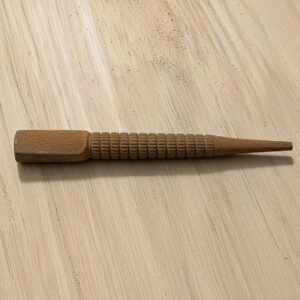
The Centuries-Old Tool Woodworkers Still Rely On Today

A nail punch, also known as a nail set, is a small but highly useful hand tool that has remained valuable despite the rise of modern power…

Do You Need to Rinse Ground Beef?

A common kitchen question is whether to rinse ground beef before or after cooking. Some home cooks rinse it to reduce fat content, aiming for a leaner,…